
Is Spinal Decompression Right for You?
If you’ve been struggling with chronic back pain, herniated discs, or sciatica, you may have heard of spinal decompression therapy as a potential solution. One of the primary tools used in this type of therapy is the decompression table, a specialized piece of equipment designed to gently stretch the spine and relieve pressure on the discs and nerves. But before diving into this treatment, it’s important to understand both the advantages and potential drawbacks of decompression tables.
In this blog, we’ll break down the pros and cons to help you decide if spinal decompression therapy is right for your needs.
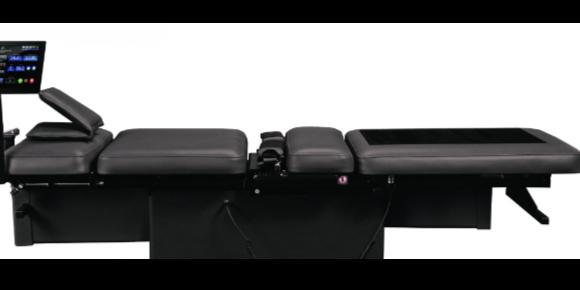
What is a Decompression Table?
A decompression table is designed to apply gentle, controlled traction to the spine, creating negative pressure between the discs. This negative pressure can help retract herniated or bulging discs, relieve pressure on nerves, and promote the flow of nutrients to the affected areas, supporting the healing process.
Decompression tables come in two types:
Motorized (Spinal Decompression Machines): These tables use computer-guided technology to precisely control the traction applied to the spine.
Manual: These tables are controlled manually by the practitioner, allowing for more customized adjustments.
Now, let’s explore the benefits and limitations of decompression tables.
Pros of Decompression Tables
1. Non-Invasive Treatment Option
One of the biggest advantages of spinal decompression therapy is that it’s non-invasive. For individuals seeking relief from conditions like herniated discs or sciatica, decompression offers an alternative to surgery, which comes with higher risks and a longer recovery time. Decompression therapy is painless, and many patients feel relaxed during the treatment.
2. Relieves Pressure on Spinal Discs
The primary goal of a decompression table is to relieve pressure on the intervertebral discs. Conditions such as herniated discs, degenerative disc disease, and sciatica are often caused by excess pressure on the spine. Decompression gently stretches the spine, allowing the discs to heal and the nerves to experience relief.
3. Improves Mobility and Function
For individuals dealing with stiffness, limited range of motion, or chronic pain, spinal decompression can significantly improve mobility and function. By relieving pressure and promoting better alignment, decompression can help restore your ability to move comfortably.
4. Promotes Healing
Spinal decompression enhances circulation, allowing nutrients, oxygen, and fluids to reach the damaged areas of the spine. This increase in circulation can speed up the healing process, making it an effective therapy for individuals recovering from injuries or disc-related conditions.
5. Customizable Treatment
Whether you’re using a motorized or manual decompression table, the level of traction can be tailored to your specific condition. Your chiropractor will adjust the settings to ensure you receive the optimal amount of decompression without causing discomfort.
Cons of Decompression Tables
1. May Not Work for Everyone
While spinal decompression therapy can be effective for many patients, it is not a one-size-fits-all solution. Individuals with severe spinal conditions such as advanced osteoporosis, spinal fractures, or tumors are often not suitable candidates for decompression therapy. Additionally, some patients may not experience relief from decompression alone and may need to explore alternative treatments.
2. Requires Multiple Sessions
Spinal decompression therapy is not a quick fix. For lasting results, most patients will need a series of treatments over several weeks or months. Depending on the severity of your condition, this could mean multiple visits to the chiropractor’s office, which may be time-consuming for those with busy schedules.
3. Cost
The cost of spinal decompression therapy can add up, particularly if you require a prolonged treatment plan. While some insurance plans cover decompression therapy, others may not, so it’s important to verify your coverage before starting treatment.
4. Temporary Relief for Some Patients
For certain individuals, decompression may only provide temporary relief, especially if underlying issues such as poor posture or muscle imbalances are not addressed alongside the therapy. In these cases, decompression should be combined with other treatments, such as chiropractic adjustments, physical therapy, or exercise programs, to achieve long-term results.
5. Not Suitable for All Spinal Conditions
While decompression therapy is ideal for conditions like herniated discs, degenerative disc disease, and sciatica, it may not be the best treatment for other types of back issues, such as spinal stenosis or severe arthritis. Consulting with a chiropractor or medical professional to diagnose your condition is essential before considering decompression therapy.
Is Spinal Decompression Right for You?
The effectiveness of decompression tables largely depends on the individual and their specific condition. If you’re dealing with disc-related problems or nerve pain, decompression therapy can provide significant relief without the need for surgery or medication. However, it’s not a cure-all solution, and it may not be appropriate for individuals with certain medical conditions.
Before starting any new therapy, it’s important to have a thorough consultation with your chiropractor. They’ll evaluate your medical history, conduct diagnostic tests if necessary, and help determine whether spinal decompression is the best option for your situation.